


Hull Cleaning Koh Si Chang: Full Hull Cleaning and Propeller Polishing at Anchorage


MaxiDive recently completed a full underwater hull cleaning and propeller polishing operation for a commercial vessel at Koh Si Chang Anchorage, Thailand.
The project combined systematic hull cleaning with underwater condition inspection and technical documentation of key submerged components.
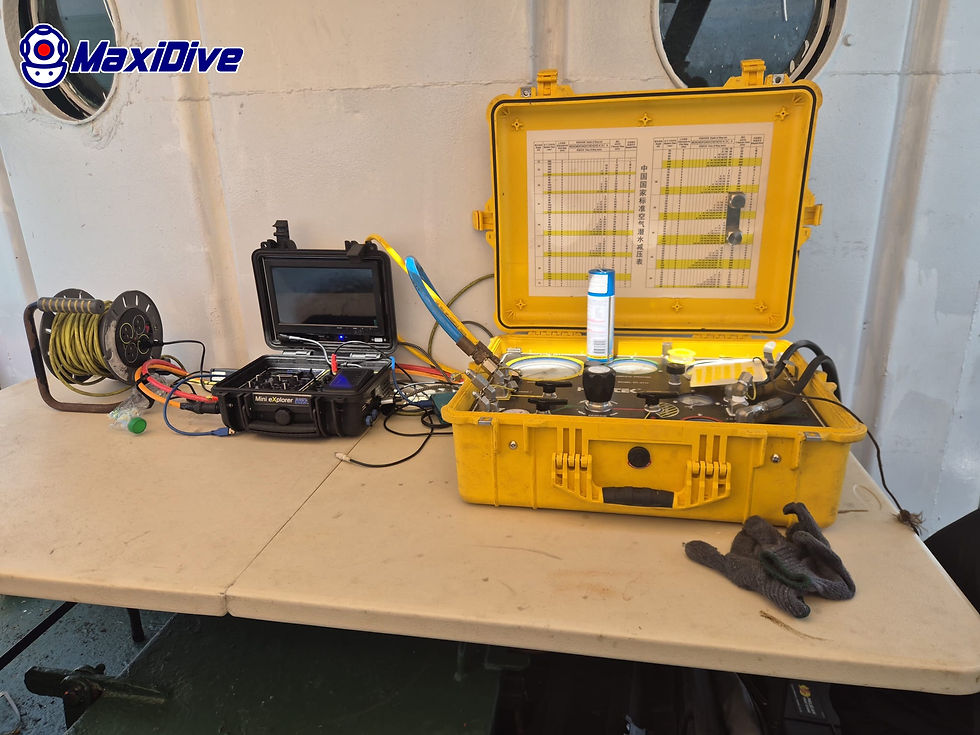
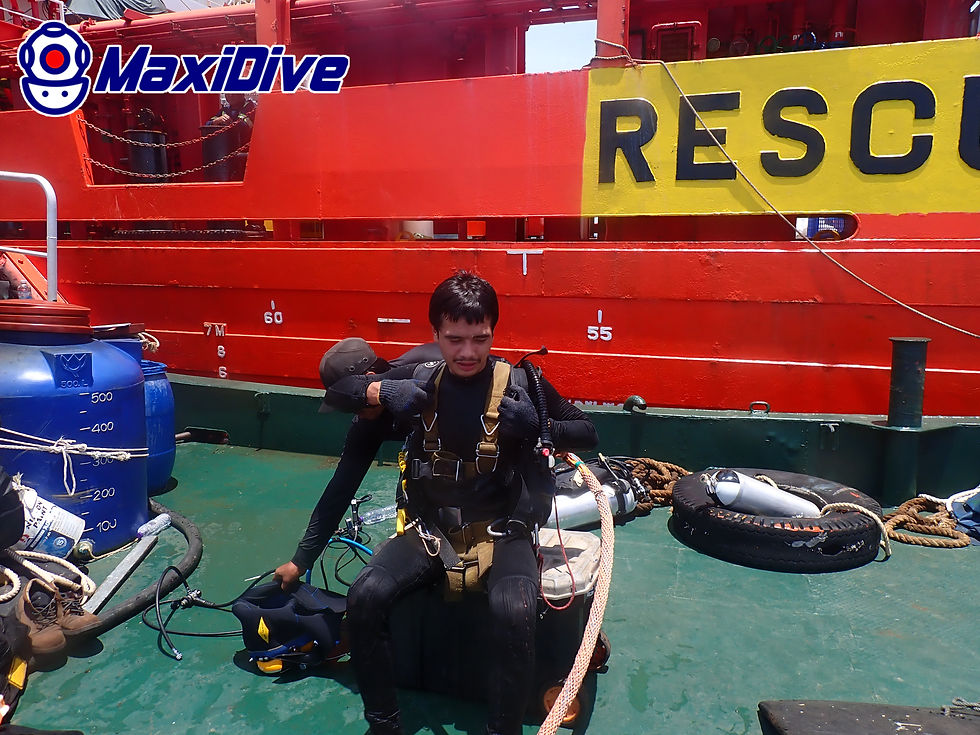
Commercial divers worked across the vessel’s accessible underwater surfaces using hydraulic equipment, hand tools and underwater camera systems.
Following completion of the cleaning operation, representative hull areas, appendages, propulsion components and rudder assemblies were visually assessed and documented.
The project provided the vessel’s technical team with both a cleaner underwater hull surface and an updated visual reference of submerged component condition.
Hull Cleaning Koh Si Chang for Commercial Vessels
Professional hull cleaning Koh Si Chang services help remove marine growth from accessible underwater vessel surfaces while the vessel remains afloat.
Depending on vessel condition and agreed scope, fouling can include:
slime;
algae;
weed growth;
barnacles;
tube worms;
calcareous deposits;
mixed hard and soft marine growth.
During this project, the commercial diving team systematically worked across accessible hull areas using suitable underwater cleaning equipment.
The operation included hull surfaces from the bow area through the vertical sides, flat bottom and stern region.
Underwater visibility was approximately three metres and sea conditions were calm, providing workable conditions for controlled cleaning and visual documentation.
Full Hull Cleaning and Condition Documentation
Full hull cleaning is most valuable when the completed work is supported by technical visual records.
After accessible surfaces were treated, representative areas were documented using underwater photography and video.
The hull inspection included observations of:
bulbous bow condition;
vertical side plating;
flat bottom;
stern arrangement;
visible coating condition;
signs of mechanical contact;
grounding indications;
corrosion and abrasion;
accessible structural areas.
The vertical sides showed no visible contact damage or significant abnormalities in the inspected areas.
The flat bottom showed no visible indications associated with grounding.
The stern arrangement also showed no significant visible abnormalities.
Moderate surface corrosion and abrasion were observed around the bulbous bow area and recorded for technical reference.

Bulbous Bow Condition
The bulbous bow operates in an exposed part of the vessel and can show evidence of coating deterioration, abrasion or surface corrosion.
During the underwater condition assessment, the bulbous bow was found generally in fair visible condition.
Localized moderate surface corrosion and abrasion were observed.
Documenting these areas provides the vessel’s technical team with a useful reference for future comparison and maintenance planning.
Close-range imagery can also help determine whether visible conditions change during subsequent underwater inspections.

Underwater Appendage Inspection
The cleaning project also provided an opportunity to document accessible underwater appendages and fittings.
Inspection coverage included relevant areas such as:
transducers;
sea chest gratings;
overboard discharges;
drain plugs;
hull anodes;
bilge keels;
scrubber-related underwater components;
other accessible fittings.
The visible transducer installation remained securely in position with no significant abnormality observed.
Accessible sea chest gratings were also found secured in place.
Visible overboard discharge areas appeared in satisfactory condition, while accessible drain plugs showed no visible leakage or significant abnormalities.
Bilge Keel and Hull Anode Condition
Bilge keels were visually assessed during the underwater operation.
The accessible sections maintained a normal visible profile with no significant deformation observed.
Hull anodes were also checked as part of the general underwater condition documentation.
Visible hull anodes remained secured in position and active at the time of inspection.
Regular documentation of anode condition provides useful evidence for monitoring cathodic protection components between scheduled maintenance periods.
Scrubber Underwater Component Inspection
Accessible scrubber-related underwater components were also visually examined.
No significant visible cracking or structural damage was observed in the inspected area.
Underwater photography and CCTV footage provide technical teams with a direct reference of external condition while the vessel remains afloat.
Propeller Polishing at Koh Si Chang Anchorage
Propeller polishing formed another major part of the operation.
Before and during the work, accessible propulsion components were visually assessed.
The inspection included:
individual propeller blades;
blade surfaces;
leading and trailing edges;
blade tips;
propeller hub;
boss cap;
seal area;
surrounding propulsion components.
No visible rope or line entanglement was observed around the accessible propulsion assembly.
The visible seal area showed no indication of leakage during the underwater inspection.
Propeller Blade Condition
Accessible propeller blades were examined for visible:
cracking;
mechanical contact damage;
deformation;
edge damage;
unusual surface abnormalities.
No significant visible cracks, contact damage or other major abnormalities were identified on the accessible blade areas.
Following inspection, the propeller was polished to improve the surface finish across accessible blade surfaces.
The completed polishing condition was documented through underwater photo and video records.
Why Propeller Surface Finish Matters
Propeller blade surface condition directly affects the interaction between the propeller and surrounding water flow.
Surface deposits and roughness can increase resistance across the blade surface.
Professional underwater propeller polishing can improve the finish of accessible blade surfaces and form part of a vessel’s planned underwater maintenance program.
Before-and-after documentation is particularly useful because it allows vessel managers and technical superintendents to verify representative areas of the completed work visually.
Boss Cap and Propulsion Assembly
The propeller boss cap and accessible surrounding components were also inspected.
The boss cap appeared securely positioned, with the visible keeper arrangement intact.
Including these components in the inspection helps provide a more complete record of the propulsion system rather than limiting documentation to blade surfaces alone.
Rudder Assembly Inspection
The vessel’s rudder assembly was also visually assessed during the underwater operation.
Inspection coverage included:
rudder surfaces;
visible weld seams;
coating condition;
inspection hatch;
drain plug;
visible anodes;
accessible structural areas.
No abnormal visible rudder movement was detected during the assessment.
The inspection hatch and drain plug appeared secured in position.
Visible topcoat and accessible weld seams were generally intact in the inspected areas.
Rudder Anode Condition
An important finding involved the rudder anodes.
The visible rudder anodes showed full depletion.
This condition was documented for the vessel’s technical records and future maintenance consideration.
Anode documentation is particularly valuable because comparison between successive inspections can help technical teams monitor consumption over time.
Inspection Limitations Should Always Be Recorded
Not every underwater component can always be assessed completely.
During this project, the upper rudder plate could not be fully inspected because its position was above the waterline at the time of the underwater operation.
Documenting such limitations is an important part of professional reporting.
A technical report should clearly distinguish between:
components successfully inspected;
partially visible areas;
inaccessible areas;
areas requiring additional assessment.
This prevents incomplete visual information from being interpreted as a full inspection.
Photo and Video Documentation
Underwater maintenance should be supported by technical documentation whenever practical.
For this operation, visual records were used to document representative:
cleaned hull surfaces;
hull condition;
underwater appendages;
sea chest gratings;
discharges;
propeller components;
blade condition;
rudder assembly;
visible anodes;
selected technical findings.
This information provides vessel managers with a practical condition reference after completion of the underwater work.
Full Hull Cleaning at Koh Si Chang Anchorage
Koh Si Chang Anchorage is one of Thailand’s major operating locations for commercial vessels requiring underwater ship husbandry services.
MaxiDive supports vessels in the area with services including:
full hull cleaning;
vertical side cleaning;
propeller polishing;
underwater hull inspection;
propeller condition assessment;
rudder inspection;
sea chest inspection;
underwater appendage documentation;
CCTV inspection;
technical photo and video reporting.
Operations are planned according to vessel requirements, underwater condition, accessibility and the agreed technical scope.
Combining Maintenance with Condition Assessment
One of the advantages of combining underwater maintenance with condition inspection is that vessel managers receive more than confirmation that the cleaning work has been completed.
They also receive updated information about visible underwater condition.
For this project, the documentation confirmed satisfactory visible condition across many accessible hull and appendage areas while also identifying specific observations such as moderate corrosion and abrasion around the bulbous bow and depleted rudder anodes.
This creates a useful technical reference for future inspections and maintenance planning.
MaxiDive provides professional hull cleaning Koh Si Chang, propeller polishing and underwater vessel services supported by experienced commercial diving teams and structured technical documentation.
MaxiDive — We work under pressure.
Internal Links
Need full hull cleaning or propeller polishing at Koh Si Chang Anchorage?
Contact MaxiDive for professional underwater hull maintenance, propeller services, condition inspection and technical documentation in Thailand.


Comments