


CRMS Bio-Fouling Inspection and Cleaning at Koh Si Chang Anchorage


CRMS Bio-Fouling Inspection and Cleaning
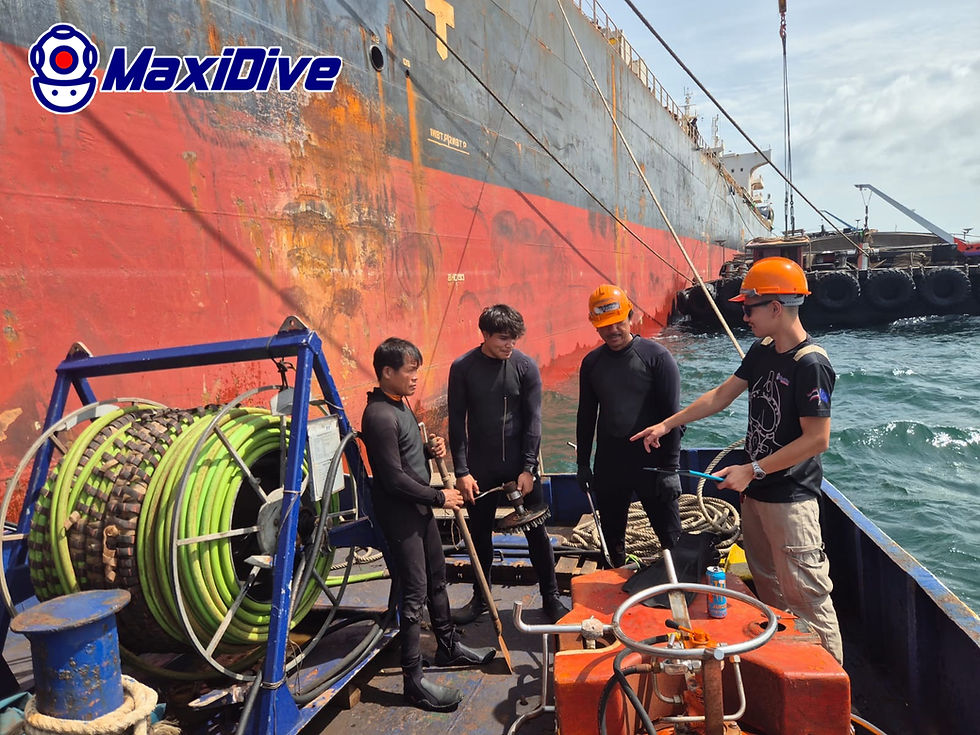
MaxiDive completed a CRMS bio-fouling inspection and cleaning operation for a commercial vessel at Koh Si Chang Anchorage, Thailand. The project supported New Zealand MPI / CRMS biofouling review requirements and included underwater inspection, cleaning of selected underwater areas, and technical photo and video documentation while the vessel remained afloat.
The operation was carried out by MaxiDive’s commercial diving team using underwater camera equipment, GoPro documentation, hydrophilic tools, hand tools and other professional diving equipment. The scope focused on documenting and cleaning areas relevant to biofouling assessment, including underwater hull areas, sea chest gratings, appendage zones, propeller-related sections and other inspection points required for the technical report.
Project Scope
The purpose of the work was to support the vessel’s biofouling documentation process through a combination of underwater inspection and cleaning. MaxiDive divers recorded the underwater condition of the required areas and performed cleaning where needed to assist with CRMS bio-fouling review.
The scope included:
Underwater visual inspection of selected hull and appendage areas
Biofouling documentation with photo and video evidence
Sea chest grating inspection and cleaning support
Underwater cleaning using hand tools and specialized cleaning tools
Documentation of relevant underwater areas for technical review
Commercial diving support without dry docking
CRMS Bio-Fouling Inspection and Cleaning Process
Before cleaning, MaxiDive divers documented the underwater condition of the required areas. This step is important for biofouling review because it records the location and type of marine growth before any cleaning activity is performed.
After the initial documentation, the diving team carried out cleaning on selected underwater areas using suitable tools for the surface and location. The work was performed carefully to support biosecurity-related inspection requirements while keeping the vessel afloat and minimizing operational interruption.

Sea Chest and Appendage Documentation
Sea chest gratings and underwater appendage areas are important points during CRMS bio-fouling inspection because these locations can retain marine growth and are often more difficult to assess than flat hull surfaces.
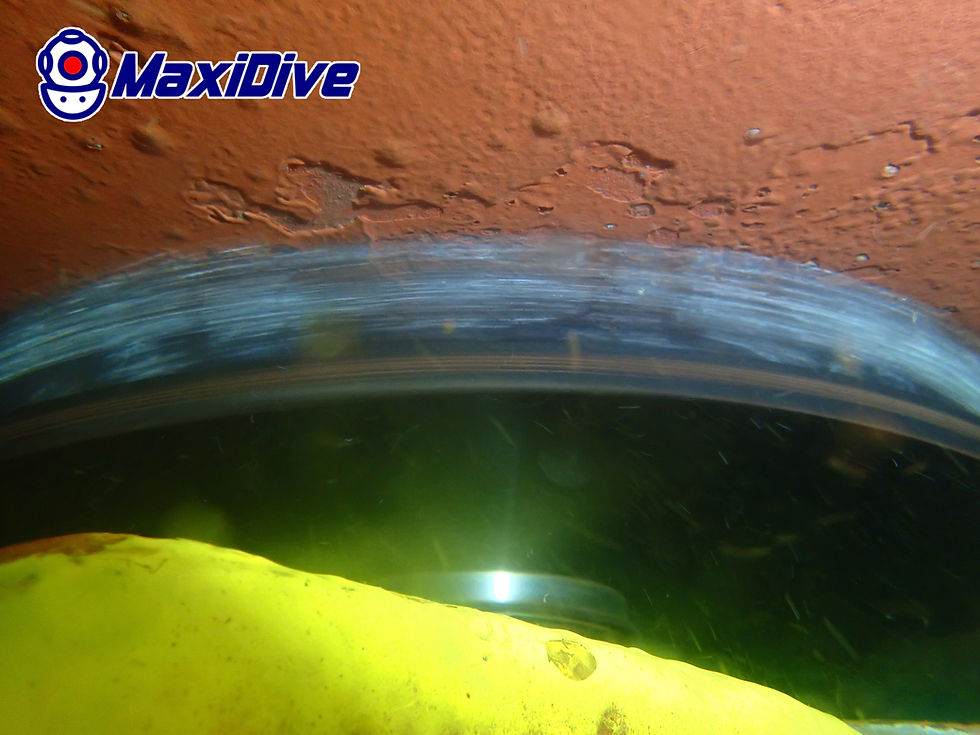
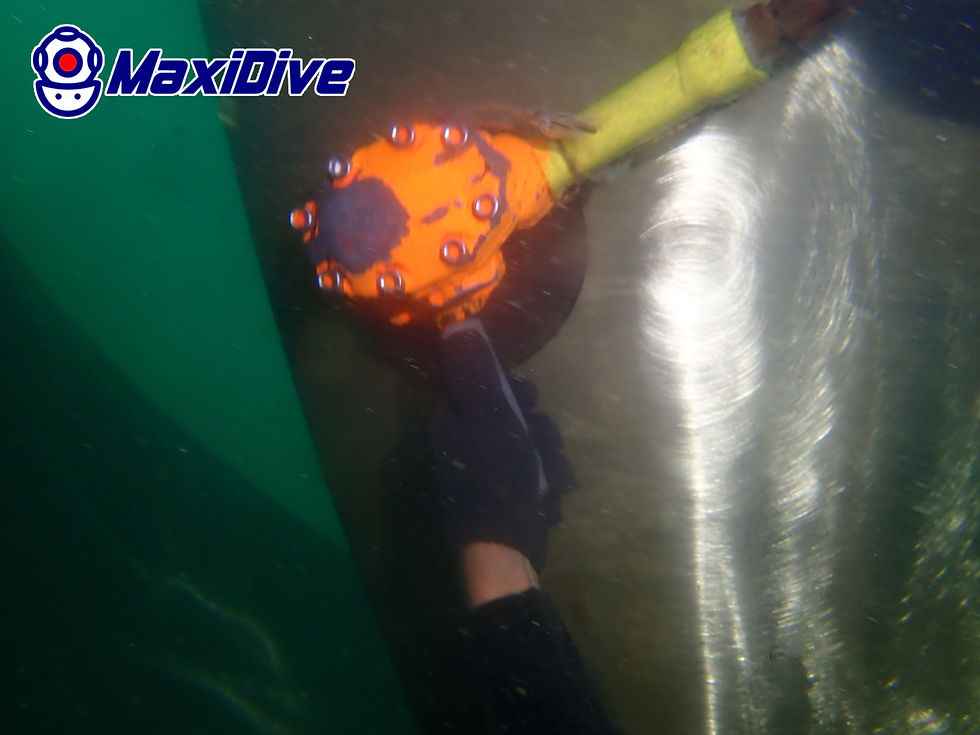
During this project, MaxiDive documented and cleaned relevant underwater areas to support a clear technical record for the client. The work included close-up underwater photo and video documentation of grating areas, hull surfaces and underwater structures.
Technical Reporting and Photo Documentation
The inspection and cleaning process was supported by underwater photo and video documentation. These records help the vessel’s technical team review the underwater condition, confirm the areas inspected and cleaned, and maintain supporting evidence for biofouling-related requirements.
MaxiDive prepared documentation based on the completed underwater work, including images from the inspection and cleaning operation.

Why CRMS Bio-Fouling Support Matters
Commercial vessels trading internationally may need clear underwater documentation to support biofouling compliance review before arrival in ports with strict environmental and biosecurity requirements.
A combined inspection and cleaning operation allows vessel owners, managers and agents to document the underwater condition, address visible biofouling areas and reduce the risk of delays related to underwater cleanliness review.
MaxiDive Commercial Diving Support in Thailand
MaxiDive provides commercial diving services in Thailand for underwater inspections, hull cleaning, sea chest cleaning, propeller polishing, biofouling support, emergency underwater repair and technical marine documentation.
Our team supports vessels at major Thai ports and anchorages, including Koh Si Chang, Laem Chabang, Sriracha, Sattahip, Bangkok and Map Ta Phut.
For CRMS bio-fouling inspection and cleaning, underwater inspection or commercial diving support in Thailand, contact MaxiDive.


Comments